For most business work, start with Gemini 4 Hydrogen, Google’s new fast, efficient model for everyday coding and agent work, and step up to Gemini 4 Argon for harder reasoning, long documents and serious coding. Save Gemini 4 Carbon, Google’s strongest model, for problems that truly test the limits of reasoning. Use Gemini 3.5 Flash-Lite when speed and cost per request matter most. Already running Gemini 3.8 Flash? It’s still available, so you can test Hydrogen on your own prompts before you switch.
Updated November 13, 2026: We’ve added Gemini 4 Hydrogen, which Google released on November 12 and now recommends as the starting point for everyday apps and agents, in place of Gemini 3.8 Flash. Gemini 3.8 Flash hasn’t been retired. The rest of the guide has been updated to match.
Google’s Gemini lineup has changed a lot since this guide first ran in October 2024. The Gemini 1.5 models it covered are no longer part of Google’s current lineup, and Google has shipped a new Gemini model every month since July 2026, two of them in the past week alone. This guide covers the models that matter for business today, what each is best at, and where your teams can actually use them.
The current Gemini models at a glance
These are the four general-purpose models in Google’s own comparison, plus Gemini 3.8 Flash, which many teams still run today. Speed labels are Google’s.
| Model | Best for | Speed | Context | Status |
|---|---|---|---|---|
| Gemini 4 Hydrogengemini-4-hydrogen | The new everyday default. Coding, tool-using agents, interactive apps and multimodal document work, with speed and efficiency. | Fast | 1M tokensOutput up to 64K, or 1M with long decode | StableNovember 2026 |
| Gemini 4 Argongemini-4-argon | Most advanced software engineering and knowledge work. Faster and fewer tokens per turn than Carbon. | Moderate | 1M tokensOutput up to 64K, or 1M with long decode | StableOctober 2026 |
| Gemini 4 Carbongemini-4-carbon | Google’s strongest model. Complex multi-step coding and debugging, architecture design, dense document synthesis, scientific and security analysis. | Deliberate | 1M tokensOutput up to 64K, or 1M with long decode | StableNovember 2026 |
| Gemini 3.5 Flash-Litegemini-3.5-flash-lite | High-volume work where latency and cost come first: classification, data extraction, routing, simple agent steps. | Fastest | 1M input tokens64K output | StableJuly 2026 |
| Gemini 3.8 Flashgemini-3.8-flash | The previous everyday default. Still available, with no shutdown date announced, but Google now points new and migrating work to Hydrogen. | Fast | 1M input tokens64K output | StableSeptember 2026 |
Model names, specs and status from Google’s Gemini API model pages and the Gemini 4 Hydrogen model page. Gemini 3.1 Pro is still offered in the Gemini API as a preview model (gemini-3.1-pro-preview). Google also offers specialized Gemini models for live voice (Gemini 3.8 Live), speech, images (Nano Banana) and video (Gemini Omni).
What changed with Gemini 4 Hydrogen
Google describes Gemini 4 Hydrogen as a fast, efficient model for everyday coding and agentic workflows. Carbon and Argon are built for deep, long-horizon reasoning. Hydrogen is built to get work done quickly, either on its own or alongside them.
Three things matter most for business teams:
- It replaces Gemini 3.8 Flash as Google’s starting point. Google’s Hydrogen developer notes call it the recommended upgrade from Gemini 3.8 Flash and earlier Gemini 3 and 2.5 models. In Google’s launch post, it’s positioned as both faster and more capable than 3.8 Flash, and less likely to make up facts when context is missing.
- It’s part of the Gemini 4 family. Hydrogen shares the same 1 million token context window, long outputs and built-in tools as Carbon and Argon, so moving work between the three is simpler than moving between model generations.
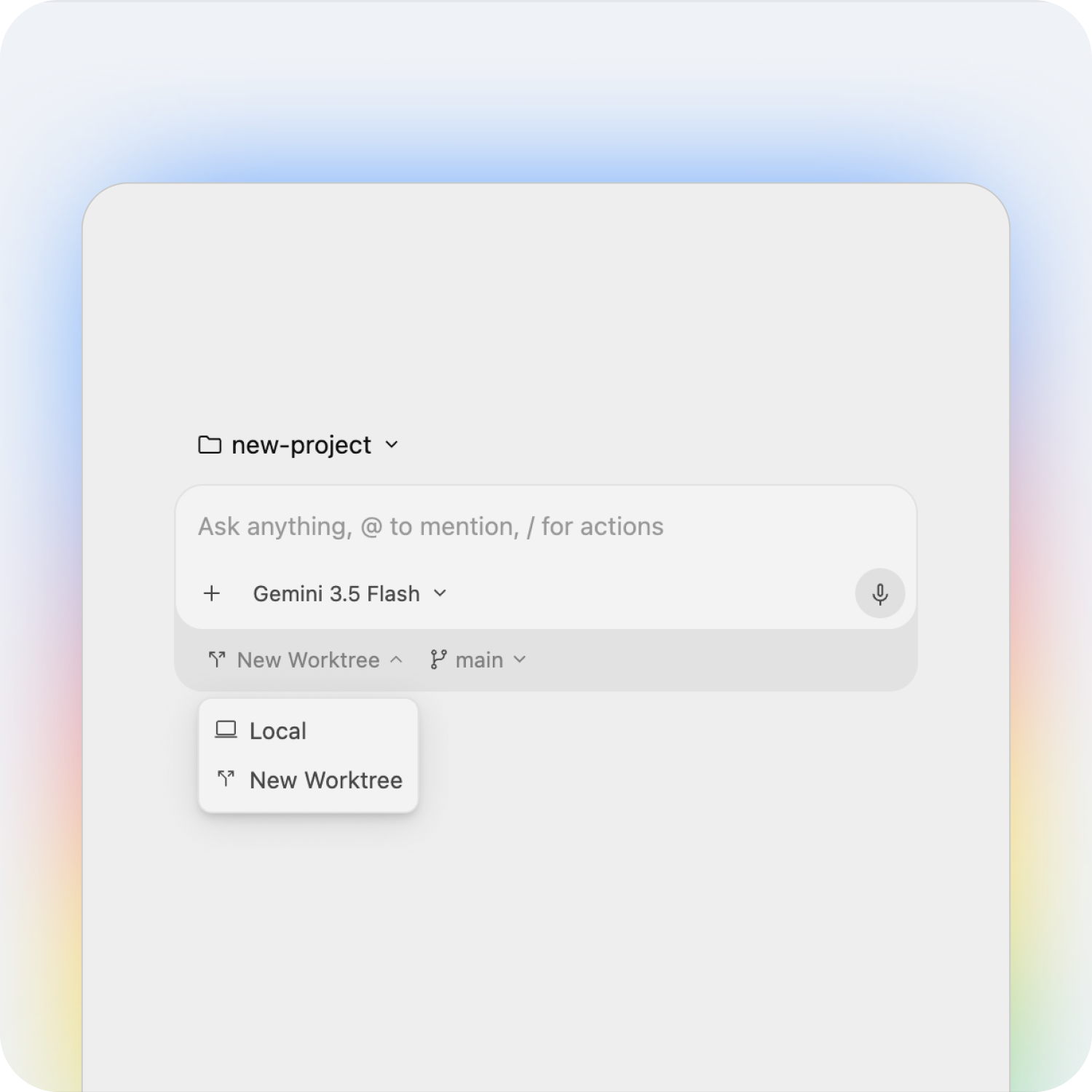
- It’s designed to work alongside the bigger models. A common pattern is to let Carbon plan the work or untangle a hard problem, then hand the code edits, tests and parallel tasks to Hydrogen. Google Antigravity now does this automatically with a new Orchestrator that switches between models like Carbon and Hydrogen in the same session, and the Antigravity agent in the Gemini API now uses Hydrogen by default.
What this means for Gemini 3.8 Flash. Nothing breaks today. Google’s Gemini API deprecations page lists gemini-3.8-flash with no shutdown date announced, and on Google Cloud it’s listed as available until at least September 2, 2027. It’s simply no longer the model Google recommends you start with.
How to choose the right Gemini model
Pick by the job, not the version number. Each tier trades speed and cost per request against depth of reasoning.
- Drafting, summarizing, research, everyday coding and tool-using agents: Gemini 4 Hydrogen. It’s quick enough for interactive use and capable enough for multi-step work across documents, spreadsheets and code.
- Analysis across long documents, complex coding and multi-step agents: Gemini 4 Argon. Google calls it the ideal choice for the majority of software engineering and knowledge work.
- The hardest problems, where quality matters more than speed: Gemini 4 Carbon. It spends more thinking tokens per turn to explore and verify its work, so expect longer response times and higher token use than Argon.
- High-volume pipelines such as tagging, extraction and ticket routing: Gemini 3.5 Flash-Lite, which Google still recommends for high-volume classification, routing and sub-second latency targets.
- Voice agents, images and video: use the specialized models (Gemini 3.8 Live, Nano Banana, Gemini Omni) rather than a text model.
Then test. Run a sample of your own real prompts through two candidate models and keep the cheapest one that meets your quality bar. Every model above also lets you set a thinking level. Hydrogen offers low, medium, high (its default) and a new xhigh level for the hardest multi-step tasks, while Carbon and Argon default to medium and go up to high. Google’s advice is to evaluate each level and pick the lowest one that works.
Already on Gemini 3.8 Flash? There’s no rush, but it’s worth planning the move. Try Hydrogen on the same prompts you use today and compare quality, speed and token use before you switch production traffic. Changing the model name isn’t quite enough on its own. Google’s migration checklist lists a few behavior changes to test for, including a different default thinking level and changes to caching and sampling settings.
Choosing models for a specific workflow, like support triage or contract review? We build working demos against your own data and use cases, so you can compare options before you commit. See how our Gemini deployment services work.
Tokens and context windows, briefly
Gemini reads and writes in tokens. For Gemini models, Google puts a token at about 4 characters, so 100 tokens is roughly 60 to 80 English words. Images, audio, video and PDFs are converted into tokens too.
The context window is how much the model can consider at once. Every model above takes about 1 million tokens, which is enough for very long contracts, large codebases or hours of transcripts in a single request. On the Gemini 4 models (Hydrogen, Argon and Carbon), that window is shared between input, thinking and output. Context size rarely decides the choice anymore. Speed, quality and cost per request do, and on the API, input, output and thinking tokens all count toward cost.
Where businesses use Gemini
The same model family shows up in several Google products, with different controls, licensing and model choice in each. New models usually reach these products at different times, so it’s worth checking what’s switched on for your organization.
| Where | Who it’s for | Model choice |
|---|---|---|
| Google Workspace with Gemini | Everyone, inside Gmail, Docs, Sheets, Meet and the Gemini app | Gemini is built into the apps. The Gemini app offers Fast, Thinking and Pro modes on Business and Enterprise editions; Gemini 4 Argon needs the AI Expanded Access add-on. Google says Hydrogen is rolling out to the Gemini app and to Gemini in Google Sheets for eligible business subscriptions. |
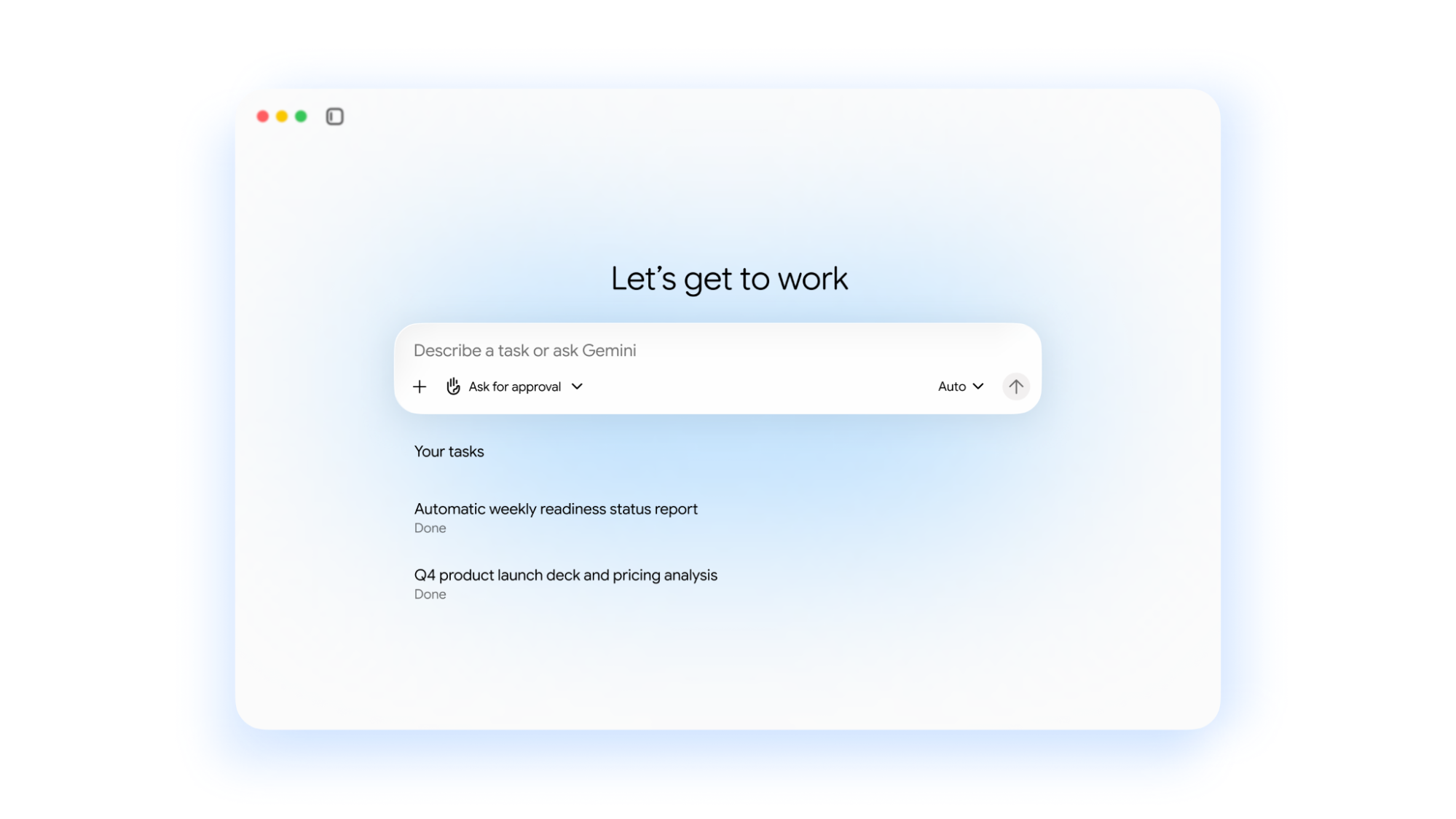
| Gemini for businessBusiness, Standard or Plus editions | Teams that need agents, company data connectors and governance | Admins choose which models users can select. Gemini 3.8 Flash and Gemini 4 Argon are on by default; Gemini 4 Carbon and Gemini 4 Hydrogen are available and off by default in the web and mobile app. In Antigravity, Hydrogen is on by default when you use the standard model list. |
| Google AI Studio and the Gemini API | Developers prototyping and building apps | The full lineup, including preview models. Try any model with your own prompts before you build. |
| Gemini platform on Google CloudFormerly Vertex AI | Production apps and agents that need Google Cloud security, IAM and billing | Gemini 4 Hydrogen, 4 Argon, 4 Carbon, 3.8 Flash and 3.5 Flash-Lite are generally available in the model catalog. |
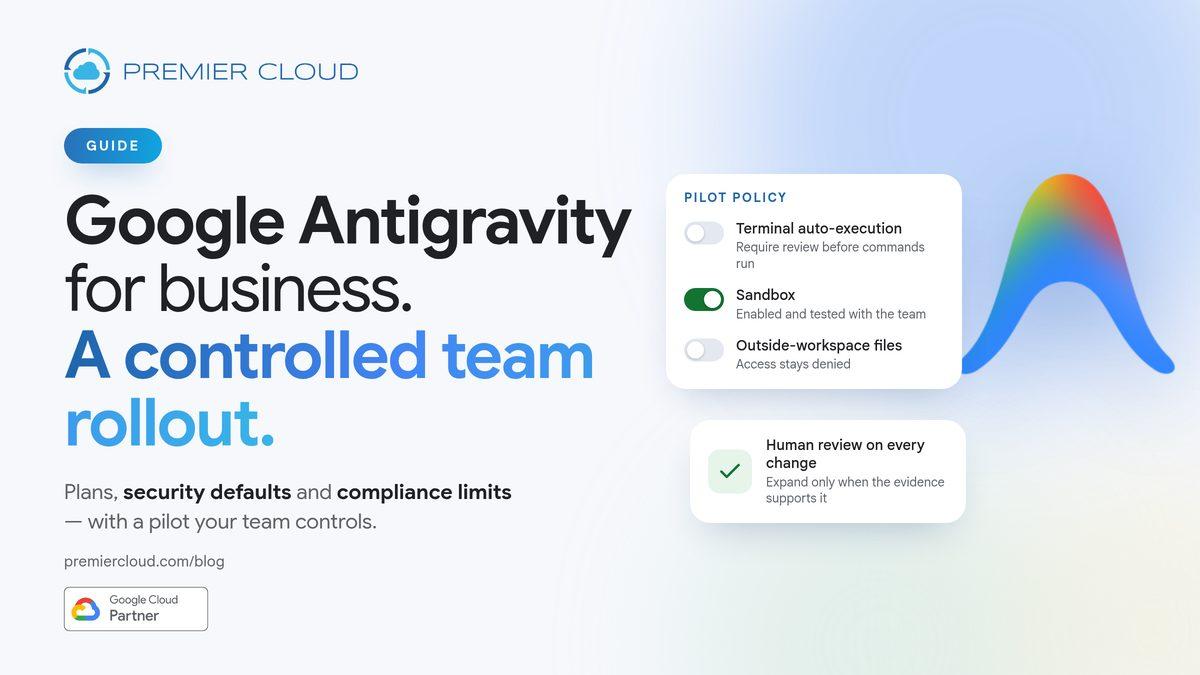
Most organizations end up using more than one of these. Which editions to license, which models to switch on, and how data access and governance should work are the questions we work through with teams in an AI Discovery Session, the first step of our Gemini deployment services. If you’re still weighing the app options, this comparison of Gemini for business and Gemini in Workspace goes deeper, and our Antigravity for Business guide covers Gemini for software teams.
Frequently asked questions
What is the best Gemini model right now?
Gemini 4 Carbon is Google’s strongest model. Google describes Gemini 4 Argon as ideal for most advanced software engineering and knowledge work tasks. Gemini 4 Hydrogen is now Google’s recommended default for everyday coding, agents and multimodal work. The best model is the cheapest one that does your task well.
What is Gemini 4 Hydrogen?
Gemini 4 Hydrogen is a fast, efficient Gemini 4 model that Google released on November 12, 2026 for everyday coding and agentic workflows. It shares the 1 million token context window and built-in tools of Carbon and Argon, adds a fourth thinking level (xhigh), and is Google’s recommended upgrade from Gemini 3.8 Flash. See Google’s announcement for details.
Has Gemini 4 Hydrogen replaced Gemini 3.8 Flash?
As Google’s recommended starting point, yes. As a product, no. Gemini 3.8 Flash is still available in the Gemini API with no shutdown date announced, and on Google Cloud it’s listed as available until at least September 2, 2027. Existing apps keep working, so you can test Hydrogen and move when you’re ready.
What is the difference between Gemini 4 Argon and Gemini 4 Carbon?
They share the same 1 million token context window, built-in tools and per-token pricing. Carbon spends more thinking tokens per turn, which makes it slower and more expensive per task, in exchange for deeper reasoning on the hardest problems.
Which Gemini model is the fastest?
Gemini 3.5 Flash-Lite is the fastest in Google’s comparison and is designed for high-volume, cost-sensitive work. Gemini 4 Hydrogen is the fast option when the task needs more capability.
Are Gemini 1.5 and 2.5 models still available?
The Gemini 1.5 models are no longer in Google’s lineup. In the Gemini API, Gemini 2.5 Pro and 2.5 Flash are deprecated: from December 1, 2026, requests to gemini-2.5-pro route to Gemini 3.8 Flash and requests to gemini-2.5-flash route to Gemini 3.5 Flash-Lite. Gemini 2.5 Flash-Lite isn’t affected on the API and remains available until further notice. If you have apps on the deprecated models, update the model name and re-test before then. If you’re making that change anyway, Google now recommends Gemini 4 Hydrogen as the upgrade from 2.5 and earlier Gemini 3 models.
On Google Cloud (the Gemini platform), gemini-2.5-pro, gemini-2.5-flash and gemini-2.5-flash-lite already retired on October 20, 2026; the recommended upgrades are gemini-3.8-flash, or gemini-3.5-flash / gemini-3.5-flash-lite.
Which Gemini model does Google Workspace use?
Workspace plans describe Gemini by mode rather than model version. In the Gemini app, Business and Enterprise editions include Fast, Thinking and Pro modes, and Gemini 4 Argon is available with the AI Expanded Access add-on. Google says Gemini 4 Hydrogen is rolling out to the Gemini app and to Gemini in Google Sheets for eligible business subscriptions. Your Admin console shows what your edition includes.
- Google: Introducing Gemini 4 Hydrogen
- Gemini API: what’s new in Gemini 4 Hydrogen
- Google DeepMind: Gemini 4 Hydrogen model card
- Gemini API: Gemini 4 Hydrogen model page
- Gemini API: deprecations
- Gemini API: all Gemini models
- Gemini API: compare the latest Gemini models
- Choosing between Gemini 4 Carbon and Argon
- Gemini 3.5 Flash-Lite model page
- Gemini API: understand and count tokens
- Google: Gemini 4 Carbon is now available
- Google Cloud: Gemini for business release notes
- Google Cloud: Google models catalog
- Google Cloud: model versions and lifecycle
- Gemini app with a work or school account
- Google Workspace: AI Expanded Access